-
info@lighthouse.training Contact us today to learn more!
-
(207) 346-7599 Customized in-service training now available!


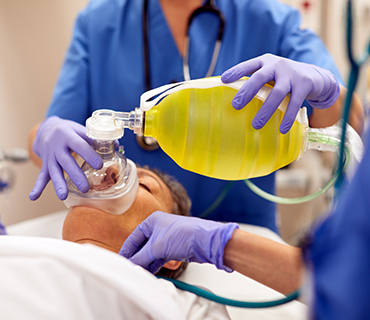
The American Red Cross Basic Life Support (BLS) course provides the knowledge and skills necessary to respond to breathing and cardiac emergencies to individuals with a duty to respond. The course emphasizes active, hands-on learning and uses scenario activities to help participants learn how to provide one rescuer and two rescuer CPR, multiple rescuer response, how to use an AED and relieve an obstructed airway for adult, child and infant patients. Participants will learn how to check both a conscious and unconscious patient, how to give effective ventilations to a patient experiencing a cardiac arrest and/or respiratory arrest, including using a resuscitation mask and bag-valve-mask (BVM) resuscitator.
Successful participants will receive an American Red Cross certificate for Basic Life Support valid for two years.
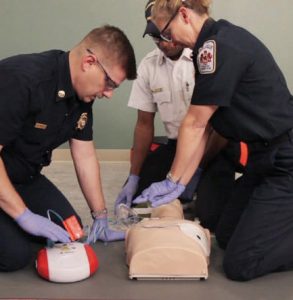
The American Red Cross CPR/AED for Professional Rescuers (CPRO) program trains individuals with a duty to act including lifeguards, EMS personnel, police, security personnel, firefighters and athletic trainers – to respond to breathing and cardiac emergencies in adults, children and infants until more advanced medical personnel take over. This course is also intended for individuals serving in roles that would be called upon to provide support in emergency situations, such as aquatic facility, gym/fitness club or community/recreation center staff.
Successful participants will receive an American Red Cross certificate for CPR/AED for Professional Rescuers valid for two years.
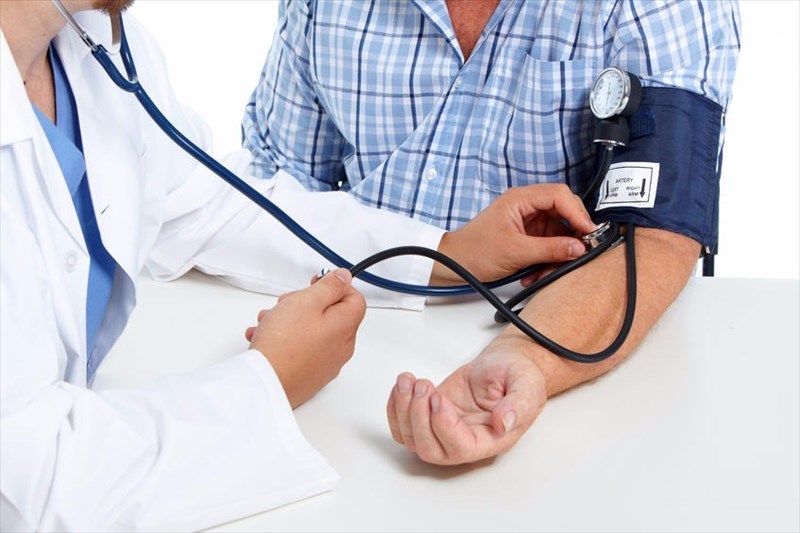
The American Red Cross EMR course provides participants the knowledge and skills necessary to work as an emergency medical responder (EMR) to help sustain life, reduce pain and minimize the consequences of injury or sudden illness until more advanced medical personnel take over. In addition to basic life support skills, participants will learn to use airway adjuncts, emergency oxygen, the signs and symptoms of medical, environmental and behavioral emergencies, including altered mental status, seizures, poisoning, substance abuse and misuse, heat-related illnesses, cold-related emergencies and stroke, the components involved in access and extrication, the different types of hazardous materials (HAZMAT) and how to respond to HAZMAT incidents, the purpose and functional positions of the incident command system (ICS) and the role of the EMR in the ICS, types of multiple-casualty incidents (MCIs) and the principles of triage, the role of EMS operations during terrorist, public health, weapon of mass destruction (WMD) and disaster emergencies, as well as how to respond to special rescue situations, such as ice, hazardous terrain, confined spaces, cave-ins, crime scenes, foreground operations and special events.
Successful participants will receive an American Red Cross certificate for Emergency Medical Responder with Basic Life Support, Emergency Oxygen, Asthma, and Epi valid for two years.
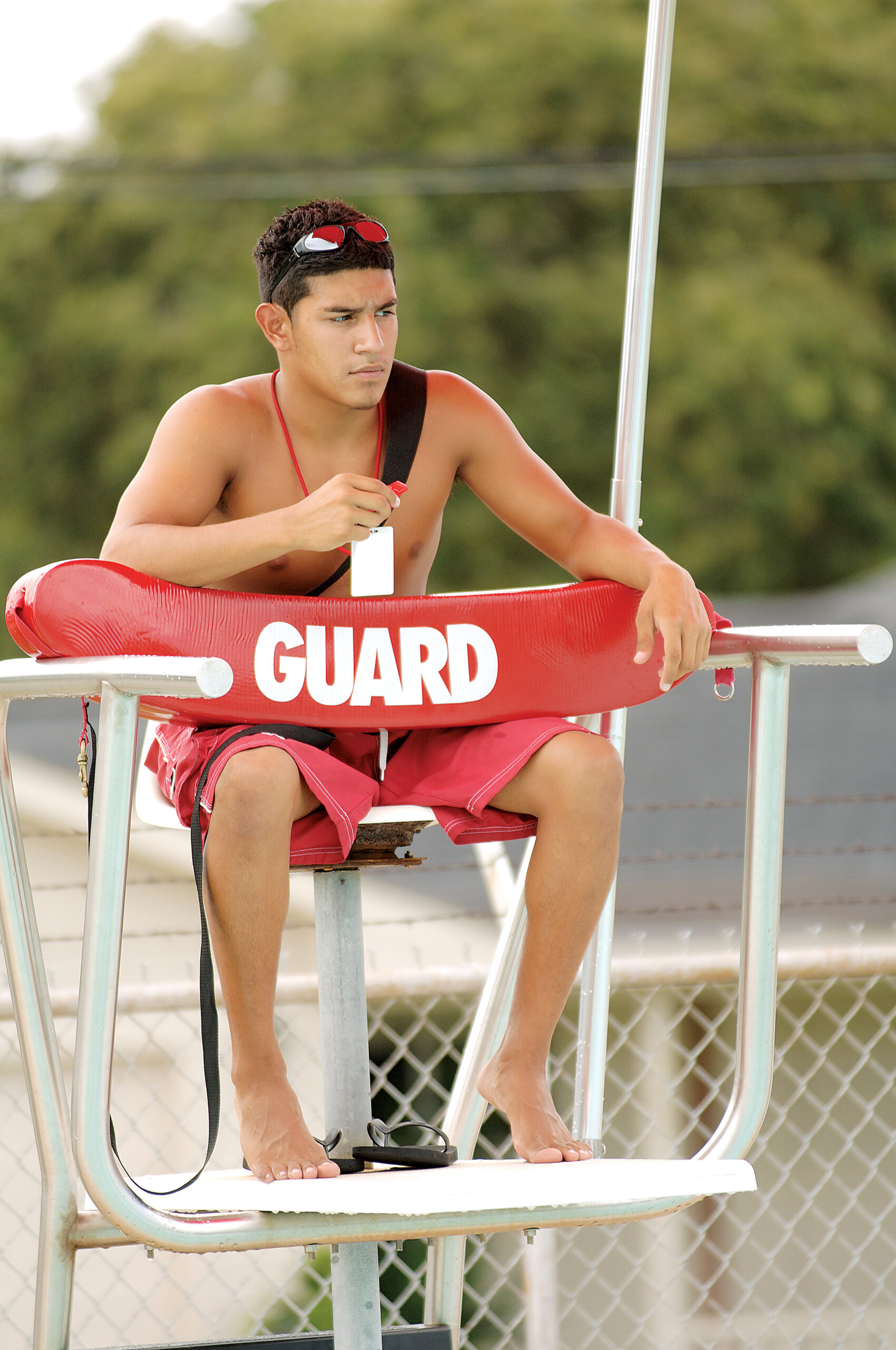
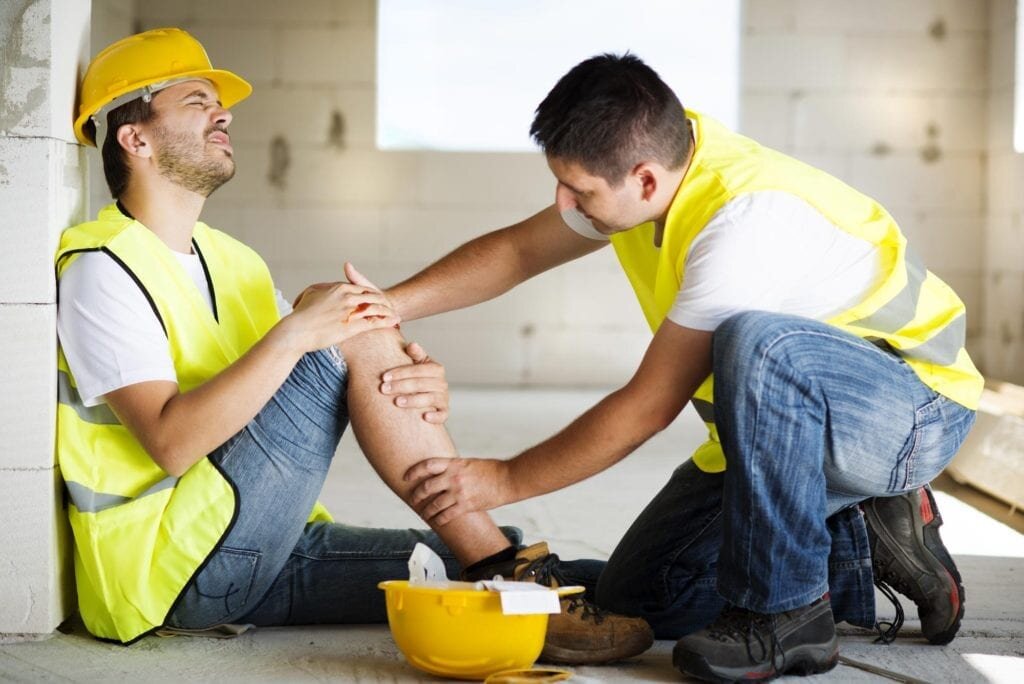
This is an advanced first aid course. The American Red Cross Responding to Emergencies program trains students recognize and respond appropriately to cardiac, breathing and first aid emergencies. The courses in this program teach students the knowledge and skills needed to give immediate care to an injured or ill person and to decide whether advanced medical care is needed. It is a more in-depth course than Standard First Aid.
RTE can be bundled with CPR/AED and/or Bloodborne Pathogens. Please ask for details.
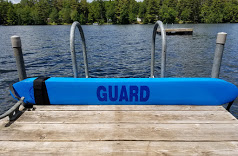
The American Red Cross Waterfront Skills module teaches lifeguards the skills and knowledge needed to prevent and respond to emergencies in non-surf, open-water areas found at public parks, resorts, summer camps and campgrounds.
Candidates must have a current American Red Cross Deep Water Lifeguarding with CPR/AED for Professional Rescuers and First Aid certificate.
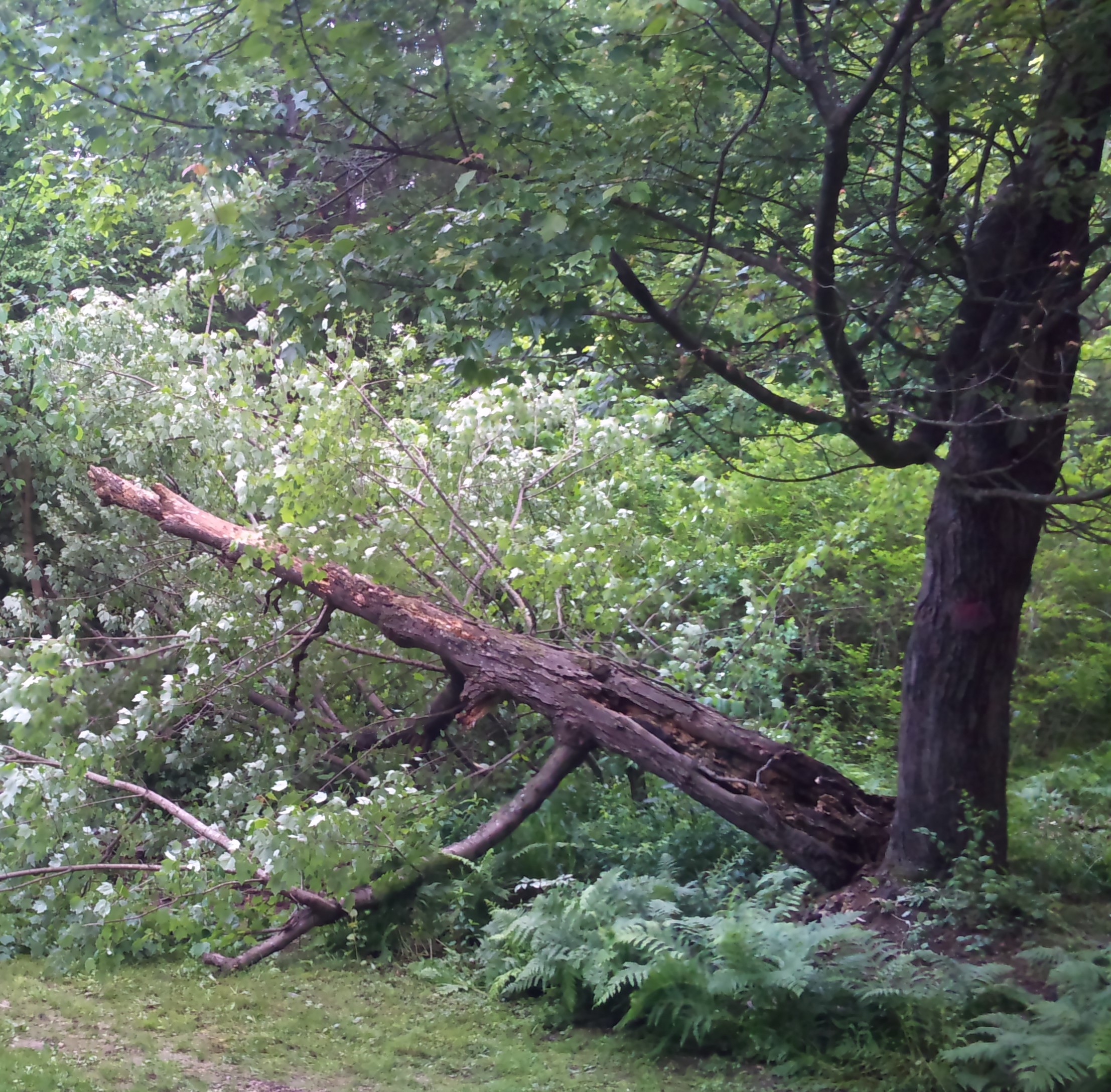
The American Red Cross Wilderness and Remote First Aid course meets OSHA’s Best Practices for Workplace First Aid Training Programs standards and provides participants a foundation of first aid principles and skills to be able to respond to emergencies and give care in areas that do not have immediate emergency medical services (EMS) response. This includes wilderness and remote environments, including urban disasters, such as earthquakes and hurricanes. Participants will learn the importance of immediately establishing control of the scene and starting the primary assessment, how to do a secondary assessment, calling for help from a delayed-help perspective, evacuation of a victim, field assessment for injuries to the head, neck, back and spine, altitude illnesses including acute mountain sickness (AMS), high altitude cerebral edema (HACE) and high altitude pulmonary edema (HAPE), the contents of an adequate wilderness and remote first aid kit, heat-related and cold-related illnesses, field assessment for injuries to muscles, bones and joints, and controlling bleeding.
Successful participants will receive an American Red Cross certificate for Wilderness and Remote First Aid valid for two years.
Prerequisites: